
Your phaal curry can be as hot as you like it. Here's how to get it just right...This phaal curry recipe is made just how I like it. It's way to spicy for my wife but perhaps not spicy enough for some spicy phaal fans. The thing is, you really can make this as spicy as you like.
Use my recipe below as a guide and then pimp it up some if you want.Taste as you cook and you really can't go wrong.

What is a phaal curry?
We've all heard the stories about restaurants running hottest curry contests. Some of those curries, which I have tried a few are ridiculously spicy!
These are phaal curries and they are made more as an eating challenge than a good curry you can enjoy.
I have personally cooked such curries that are so hot it's difficult to breath while they are cooking. For some, this phaal curry will offer a similar experience.
That said, my recipe is toned down a little. I like to taste the other ingredients. In my opinion, it's not all about the heat though I'm sure some will disagree with me there.
Getting this phaal curry recipe right...
In the following recipe I use a lot of red chilli powder and blended scotch bonnet chillies. This is the perfect combo for my taste.
If you are hoping to go even hotter, add some more fresh chillies to taste. You might also like to look for hotter red chilli powder or add more.
Ghost chilli powder is some of the hottest if not the hottest on the market. Use some of that and I promise you will get the heat you're looking for.
Ingredients
Fresh ingredients are key to getting the best flavour from this Restaurant Style Phaal Curry recipe. You’ll find the ingredients listed below, while the precise amounts are provided in the recipe card at the end of the page. For smooth cooking and the best outcome, it’s a good idea to have everything measured and prepared before you begin. All of the authentic Indian restaurant style curry recipes on my site use a base curry sauce. My 'go to' recipe is here.

See recipe card for quantities.
- Rapeseed (canola) oil or mustard oil
- Garlic and ginger paste
- Small onion, finely chopped
- Habanero chillies - blended with a little water
- Mr Naga or Mr Vikki's naga pickle
- Mixed powder
- Kashmiri chilli powder
- Tomato purée
- Base sauce
- Pre-cooked lamb
- Kasoori methi (dried fenugreek leaves)
- Salt to taste
Pre-cooked lamb
Lamb meat takes some time to cook until tender. For this reason, the lamb is pre-cooked at restaurants so that they can cook the curries and serve them quickly.
In this case I just used some leftover lamb from a roast leg of lamb I cooked for Sunday dinner.
If you want to do it the Indian restaurant way, I suggest trying my stewed lamb recipe or tandoori lamb tikka.
Another popular option would be to cook the lamb pieces in your prepared base sauce. This adds a delicious flavour to the base sauce too.
Step by step photos
Below, you’ll see step-by-step photographs to guide you through the recipe. At the bottom of the page, you’ll also find the full recipe card, which includes the complete list of ingredients and written instructions in an easy, printable format.

- Step 1: Heat the oil in a pan over medium high heat and fry the onions for a few minutes.

- Step 2: Add the bell pepper and fry for a minute or so.

- Step 3: Stir in the garlic and ginger paste and fry for another 30 seconds.

- Step 4: Add the blended scotch bonnet chillies and bring to a simmer.

- Step 5: Stir in the Mr Naga paste.

- Step 6: Then add the ground spices.

- Step 7: Stir in the tomato puree and a ladle or two of the base curry sauce. Then bring to a simmer, only stirring if the sauce is sticking to the pan.

- Step 8: Add the meat and stir to coat in the sauce. Add more base if your curry is looking dry.

- Step 9: Top with fresh coriander and enjoy!
Ingredient substitutions...
This might be a lamb phaal curry recipe but there's no reason you can't use another main ingredient!
Just like when you go out to a curry house and see phaal on the menu. You are usually offered a selection of main ingredients to choose from like lamb, chicken, king prawns and paneer.
Just follow phaal sauce instructions and add the main ingredient of your choice.
What do you serve with Restaurant Style Phaal Curry?
Other Curries: If you are serving a group, why not make a few other popular rich Indian curries such as Chicken Korma, Chicken Madras, Chicken Dhansak, Lamb Rogan Josh, Lamb Vindaloo, Chicken Chilli Garlic, Chicken Patia, Lamb Bhuna
Rice Dishes: All of these side dishes will go great with dahi chicken curry - Steamed Basmati Rice, (1) Boiled Basmati Rice,(43861), Pilau Rice, (198)Mushroom Fried Rice
Breads: Tandoori Naans, (6694) Tandoori Roti (44803) Chapatis (32053) Spiced Chapatis (931) Stovetop Naans (1493)
Dals: Chana Dal (1820) Tarka Dal (6829) Spinach Dal (2495) Dal Makhani (1609)
Storage
Fridge: Allow your dish to cool completely, then store in an airtight container for up to 3 days. Flavours often develop even more after a night in the fridge.
Freezer: Portion and freeze for up to 3 months. Defrost overnight in the fridge, then reheat gently on the hob or in the oven until piping hot.
Top Tip
Make sure you add the spices before the curry base goes in. This unlocks their full flavour and heat, just like in a proper restaurant kitchen.
FAQ
A phaal is hotter — it’s often considered the spiciest curry on a British Indian restaurant menu, thanks to the layering of fresh chillies, dried chillies, and hot chilli powders
Yes. You can reduce the number of fresh chillies or swap some hot chilli powder for mild paprika. The layered spice base will still give a deep flavour even if the heat is dialled back.
To get true restaurant-style results, yes but you can still make a great phaal at home by blending onions, garlic, ginger, peppers, and tomatoes into a smooth sauce and cooking it down hard before adding the chillies.
Related
Looking for other recipes like this? Try these:

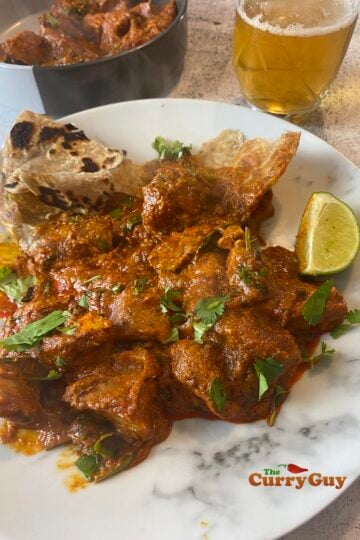
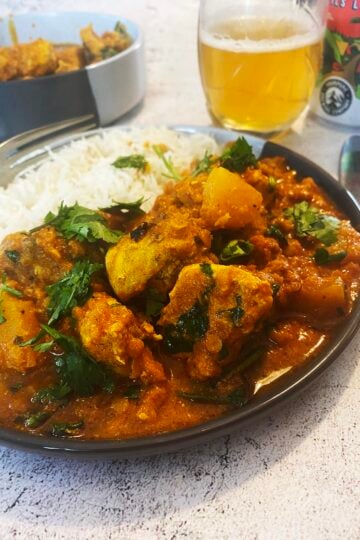
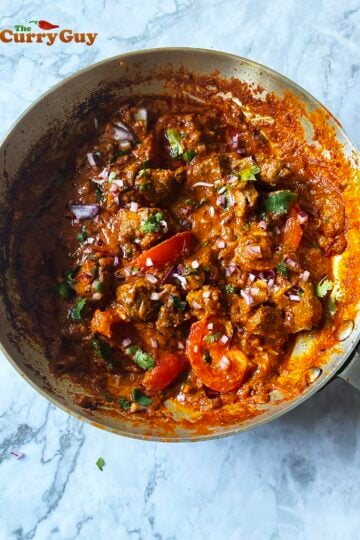

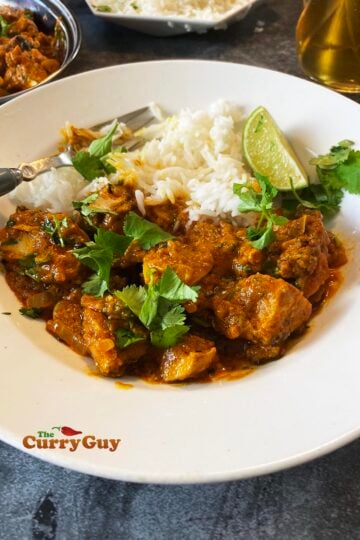
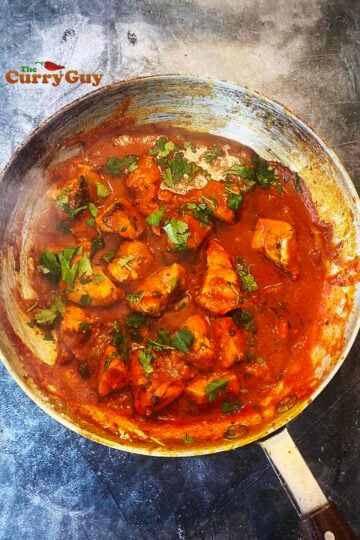
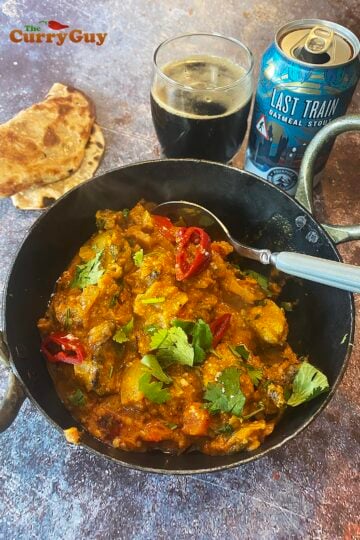
Pairing
Rice


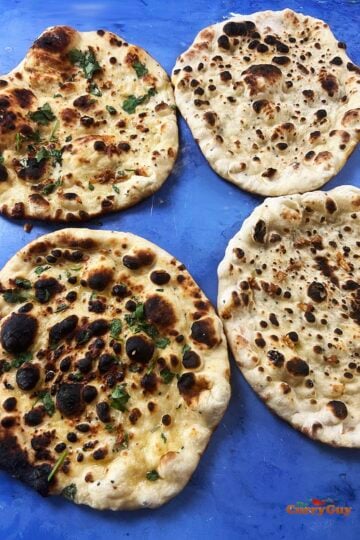
Naan


Restaurant Style Lamb Phaal Curry
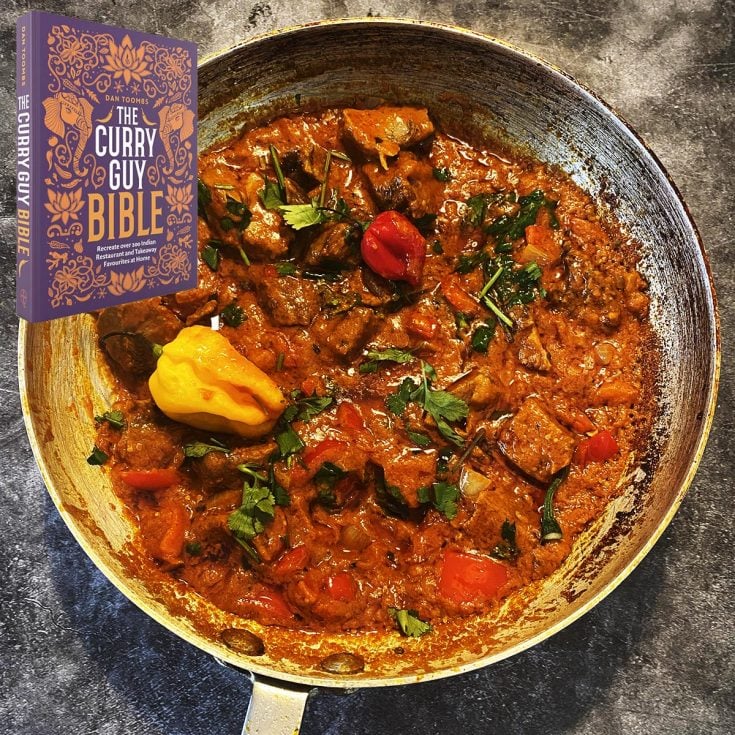
Like your curries spicy? Try the spiciest of them all! This lamb phaal curry recipe is famous for the spice and its delicious flavour.
Ingredients
- 2 tbsp rapeseed (canola) oil or mustard oil
- 1 tbsp garlic and ginger paste
- ½ small onion, finely chopped
- 2 - 4 habanero chillies - blended with a little water
- 1 - 2 tbsp Mr Naga or Mr Vikki's naga pickle
- 1 tbsp mixed powder
- 1 tbs. Kashmiri chilli powder
- 70ml (¼ cup) tomato purée
- 300ml (1¼ cup) base sauce
- 1 tbsp Mr Naga chilli pickle
- 300g (11oz) pre-cooked lamb
- 1 tsp kasoori methi (dried fenugreek leaves)
- Salt to taste
Instructions
- Heat the oil in a large frying pan over medium-high heat. When visibly hot, add the chopped onions and fry for three to five minutes or until soft and translucent.
- Stir in the garlic and ginger paste and fry for 30 seconds, then add the blended habanero chillies.
- Stir in the Mr Naga paste.
- Add the mixed powder and Kashmiri chilli powder followed by the tomato puree and stir to combine, then add about 125ml (½ cup) of the base sauce.
- Allow this to come to a simmer. This is a good time to add the pre-cooked lamb. Stir to coat in the sauce.
- Add more base sauce whenever the curry is looking dry and simmer again, only stirring if the sauce is sticking to the pan. As you cook, the sauce will caramelise to the side of the pan. Stir this in as it adds flavour.
- Season with salt to taste. Sprinkle the kasoori methi over the top by rubbing it between your fingers.
- To serve, garnish with the garam masala and coriander.
Recommended Products
As an Amazon Associate and member of other affiliate programs, I earn from qualifying purchases.


Nutrition Information:
Yield:
2Serving Size:
1Amount Per Serving: Calories: 756Total Fat: 55gSaturated Fat: 15gTrans Fat: 0gUnsaturated Fat: 36gCholesterol: 148mgSodium: 1029mgCarbohydrates: 24gFiber: 6gSugar: 12gProtein: 42g
Have you tried this recipe?
If yes, please give it a star rating in the recipe card below and leave a comment. I love receiving your feedback and I’m sure other readers of my blog do too. Thank you.
If you are not already doing so, please follow The Curry Guy on Instagram and Facebook for all our latest recipes.


Leave a Reply