
Rasam is a spicy and delicious South Indian classic that you need to try. It is perhaps not well known at curry houses and Indian restaurants in the West but if you like a soup with a good spicy kick, you need to give rasam a go. It’s light yet bursting with flavour. If you’re craving a light starter, meal or snack or simply want to explore authentic Indian home cooking, rasam is the perfect choice and here I will show you just how easy it is to get right at home.

What Is Rasam?
Rasam is a traditional South Indian soup made from tamarind juice, tomatoes, spices, and herbs, often served as part of a meal with rice. The word rasam comes from the Sanskrit word rasa, meaning essence or juice, I’m thinking because of the tamarind water that you need to make it
Unlike thick curries or creamy dals, rasam is light, tangy, and aromatic. It’s typically flavoured with a blend of ground spices known as rasam powder, which usually includes black pepper, cumin, coriander, red chillies, and mustard seeds.
Some variations, like mine, include lentils (toor dal) for a richer body, while others remain completely clear and broth-like. Traditionally, rasam is poured over hot steamed rice, but it’s equally delicious enjoyed on its own as a spicy soup.
The History of Rasam
Rasam has deep roots in South Indian cuisine, especially in the states of Tamil Nadu, Andhra Pradesh, Karnataka, and Kerala.
Its history dates back over a thousand years, with origins linked to Ayurvedic cooking traditions. Early versions of rasam were made not as a soup, but as a digestive tonic; a blend of tamarind water, pepper, and cumin used to stimulate appetite and aid digestion.
Over time, it evolved into a dish enjoyed across South Indian households. The addition of tomatoes came later, after they were introduced to India by the Portuguese in the 16th century, creating the tangy tomato rasam we know today.
Even now, rasam remains a staple in daily South Indian meals and ceremonial feasts (known as sadya). It’s more than just food, it’s a symbol of comfort, simplicity, and tradition.
Ingredients
Below you will see all of the ingredients that go into this delicious rasam soup. I prepared the rasam powder and tamarind water beforehand but have given instructions on how to make these in the step by step photos and recipe card below. Please see the recipe card for ingredient measurements.

See recipe card for quantities.
Tamarind
Water
Black peppercorns
Cumin seeds
Toor dhal
Coriander seeds
Garlic
Rapeseed (canola) or coconut oil
Mustard seeds
Kashmiri chillies
Curry leaves
Ground turmeric
Tomatoes
Coriander (cilantro)
Salt
Step by step photos
Check out these step by step photos to see how easy it is to make rasam.

- Step 1: Add the golf ball sized ball of tamarind to a cup with about 250ml (1 cup) hot water. Break it up with your hand and allow to soak for about ten minutes.

- Step 2: Run this through a fine sieve to catch any solids like seeds and set aside.

- Step 3: Toast the black pepper, cumin seeds, coriander seeds and toor dal over a medium heat until warm to the touch and fragrant but not yet smoking. Transfer to a plate to cool.

- Step 4: Grind the whole spices and dal into a fine powder and then add the garlic. Pound or blend it all into a paste.

- Step 5: Over a high heat, infuse the mustard seeds in the oil until they begin to crackle.

- Step 6: Stir in the dried Kashmiri chillies and curry leaves and let them infuse into the oil for about 30 seconds.

- Step 7: Stir in the garlic and rasam powder mixture and then pour in the tamarind water, fresh water and chopped tomatoes. Bring to a simmer.

- Step 8: Gently simmer the rasam for 5 to 10 minutes and then season with salt to taste just before serving.

- Step 9: Ready in minutes! Rasam is a delicious soup that you can whip up any time.
Variations of Rasam to Try
There are countless regional variations worth exploring. If you take my recipe and adjust it to taste with some of the following ingredients, you can make some of the most popular types of rasam.
Pineapple Rasam: Sweet and tangy, a festive favourite in Kerala. Add the pineapple a little at a time until you are happy with the sweet flavour.
Tomato Rasam: The classic, tangy version with fresh tomatoes.
Pepper Rasam (Milagu Rasam): Spicier, perfect for colds.
Garlic Rasam (Poondu Rasam): Loaded with garlic for a medicinal kick.
Lemon Rasam: Fresh, citrusy, and great for summer.
Useful Equipment
To make rasam easily at home, you’ll need:
Small bowl – for soaking tamarind.
Heavy-bottomed saucepan – prevents the spices from burning.
Ladle or whisk – for stirring
Mortar and pestle or spice grinder – to grind the rasam powder.
What do you serve with Rasam?
Rasam is a delicious light meal in its own right. That said, you might like to serve it as a starter or with something else to make it more substantial. All of the following will hit the spot just right!
North Indian Curries: Rasam is a South Indian dish but there is absolutely no reason why you you have to serve it with a south Indian curry. Try some of these northern favourites... Butter Chicken, Chicken Lababdar, Laal Maas and Lamb Dhansak
South Indian Curries: If you want to keep thing more traditional, serve your rasam with a South Indian curry. Any of these would be a great place to start... Chicken Chettindad, Goan Chicken Curry, Kuzhambu Chicken Curry, Goan Chicken Vindaloo, Chicken 65, Kerala Lamb Curry, Kerala Fish Curry,
Rice Dishes: Rice is a popular side dish with rasam. Sometimes the rasam is served over rice. I served mine with Matta Rice but you might also like to try some of these, Steamed Basmati Rice, Boiled Basmati Rice, Pilau Rice, Mushroom Fried Rice
Breads: Tandoori Naans, Tandoori Roti Chapatis Spiced Chapatis, Stovetop Naans
Dals: Dal and soup? Why not? Chana Dal, Tarka Dal, Spinach Dal, Dal Makhani
How to Store and Reheat Rasam
- Storage: Rasam keeps well in the fridge for up to 3 days in an airtight container.
- Reheating: Reheat gently on the stove. Don’t boil vigorously as this can dull the flavours.
- Freezing: You can freeze rasam for up to 1 month. Thaw overnight and reheat before serving.
If the flavour fades after storing, simply refresh it with a little extra rasam powder or a squeeze of lemon juice before serving.
Top Tip
Use fresh spices: Although many chefs do cut corners and use pre-ground spices, toasting and grinding whole spices gives your rasam incredible depth of flavour. It is worth the extra effort!
FAQ
Yes. Substitute tamarind with lemon juice or tomatoes for tanginess. Lemon rasam is a popular variation.
Traditionally it is vegan. Some variations use ghee instead of oil which is of course not vegan.
Yes but making your own will have it's flavour benefits. I highly recommend toasting and grinding your own rasam powder for this recipe.
Related
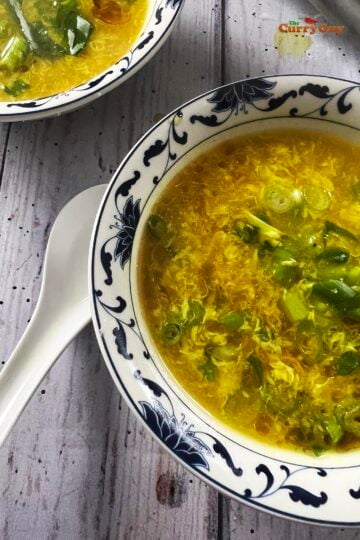
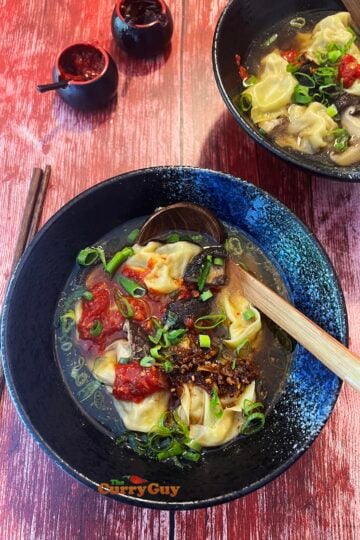
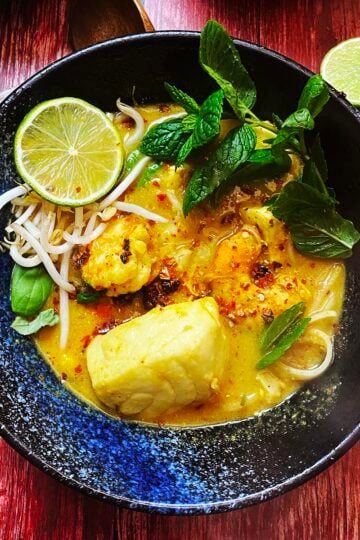
Looking for more famous and delicious soups? Try these!





Pairing
Rice is always good with rasam. Here are a few of my favourites to serve with rasam.


Have you tried this rasam recipe?
If yes, please give it a star rating in the recipe card below and leave a comment. I love receiving your feedback and I’m sure other readers of my blog do too. Thank you.
If you are not already doing so, please follow The Curry Guy on Instagram and Facebook for all our latest recipes.
Pepper Rasam
Rasam is a light and delicious soup that you can make quickly and easily. There are many different varieties but this simple rasam is a great place to start. You can use it as a base and, as mentioned in the blog post above, adjust the flavours to make different rasams.
Ingredients
- 1 golf ball sized piece of tamarind
- 250ml hand-hot water
- 1 level tbsp black peppercorns
- 1 tsp cumin seeds
- 2 tsp toor dhal
- 2 tsp coriander seeds
- 2 cloves garlic – skinned and roughly chopped
- 1 tsp rapeseed oil
- ¼ tsp black mustard seeds
- 3 dried Kashmiri chillies
- 10 curry leaves
- ¼ tsp turmeric powder
- 200g chopped tomatoes
- 400ml (1.5 cups) water
- 2 tbsp chopped coriander
- 3 tbsp coriander - finely chopped
- Salt to taste
Instructions
- Add a golf ball sized ball of tamarind to a mixing bowl with about 250ml (1 cup) hot water.
- Break it up with your hand and allow to soak for about ten minutes. Then run it all through a sieve and discard the solids. Set aside.
- While the tamarind is soaking, you can toast the peppercorns, cumin seeds, toor dhal and coriander seeds in a dry frying pan over a medium heat until warm to the touch and fragrant but not yet smoking.
- Transfer to a plate to cool some and then grind to a fine powder in a pestle and mortar or spice grinder. The powder needs to be really fine!
- Add the garlic and pound or blend it into the spices to make a thick paste.
- Now heat 1 teaspoon rapeseed or coconut oil in a large saucepan over medium-high heat. When the oil begins to shimmer, add the mustard seeds. When the mustard seeds begin to crackle, stir in the Kashmiri chillies and curry leaves.
- Fry for a further 30 seconds and then stir in the prepared garlic and spice paste along with the tomatoes and the tamarind water.
- Add the water and bring to a boil and then reduce the heat to medium.
- Gently simmer the soup for a further 5 minutes and then stir in the chopped coriander. Season with salt to taste to serve.
Recommended Products
As an Amazon Associate and member of other affiliate programs, I earn from qualifying purchases.


Nutrition Information:
Yield:
4Serving Size:
1Amount Per Serving: Calories: 126Total Fat: 2gSaturated Fat: 0gUnsaturated Fat: 2gSodium: 176mgCarbohydrates: 28gFiber: 4gSugar: 15gProtein: 3g




Leave a Reply