
This hearty and rather famous Mulligatawny soup, often made with lentils, vegetables, and chicken, perfectly bridges British and Indian culinary traditions. Whether you’re after a warming starter or a full meal in a bowl, Mulligatawny soup delivers both comfort and complexity. This is a recipe I learned from my friend Palash Mitra, when he was Head Chef at The Rosewood London. The recipe first featured in my book The Curry Guy Easy and then later The Curry Guy Bible. You need to try this!

What is Mulligatawny Soup?
The name Mulligatawny comes from the Tamil words milagu (pepper) and tanni (water), literally meaning “pepper water.” Originally, it was a thin, spicy broth served in southern India, often eaten with rice, similar if not exactly like this rasam.
When British colonials in India developed a taste for it in the 18th century, the recipe evolved, becoming richer, thicker, and more in line with Western style soups.
The History of Mulligatawny Soup
Mulligatawny emerged during the British Raj in the late 18th century. British officials stationed in southern India loved local curries and broths but longed for the Western custom of starting meals with soup. Local cooks adapted, transforming the peppery rasam-style broth into something more substantial, often adding meat and thickening it with rice, lentils, or cream.
By the early 19th century, recipes for Mulligatawny began appearing in British cookbooks. It became a Victorian favourite — found on restaurant menus, in tinned soup form, and in home kitchens alike.
Its appeal lies in its adaptability. Over the centuries, cooks have made Mulligatawny with lamb, chicken, or vegetables, adjusting spice levels to taste. It remains one of the most iconic Anglo-Indian dishes.
Ingredients
Get all your ingredients together before you start cooking. It's easier that way. The exact ingredient measures are listed in the recipe card at the bottom of this page.

See recipe card for quantities.
- Butter or Ghee
- Indian bay leaves
- Cinnamon stick
- Cloves
- Red onion
- Celery
- Carrot
- Tomatoes
- Leek
- Plain (all-purpose) flour
- Chicken or vegetable stock
- Coconut milk
- Salt
- Lemon wedges, to serve
- FOR THE SPICE PASTE
- Ground cumin
- Ground coriander
- Ground black pepper
- Turmeric
- Garlic
- Ginger,
- Coriander (cilantro) and Mint leaves
Step by step photos
Check out my step by step photos to see just how easy it is to make delicious Mulligatawny soup at home. You will fine a printable recipe for this Mulligatawny soup in the recipe card at the bottom of this page.

- Step 1: Put all the spice paste ingredients into a food processor or blender. Add a splash of water and blitz to a paste. Leave to one side.

- Step 2: Melt the butter in a large heavy bottomed saucepan. Add the bay leaves, cinnamon and cloves and fry for a minute or so to flavour the butter.

- Step 3: Add the chopped onion and cook for 5 minutes until soft and translucent.

- Step 4: Now add the celery, carrot, tomatoes and leek and cook for a further 5 minutes.

- Step 5: Stir in the spice paste and fry for a few minutes, adding a bit of water if the mixture becomes too dry.

- Step 6: Stir in the flour and ensure the vegetables are completely coated.

- Step 7: Then add the chicken stock. Cover and simmer for 15 minutes until the soup has thickened.

- Step 8: Pour in the coconut milk and mix through.

- Step 9: Season with salt to taste and it’s ready to serve.
Popular Variations
There are many variations to this soup. Here are a few you might enjoy:
1. Lamb or Chicken Mulligatawny
Use cooked diced lamb or lamb mince or chicken. The meat gives the soup more depth of flavour.
2. Spicy South Indian Style
Add curry leaves, mustard seeds, and a little tamarind paste for a tangier, authentic Tamil touch.
3. Light and Fresh Version
Skip coconut milk and blend the soup until silky smooth. Finish with lemon juice and a handful of fresh spinach for a lighter option.
4. Anglo-Indian Classic
For a Victorian-style version, use a touch of flour to thicken the soup and add cream instead of coconut milk. My recipe is a bit of a mix as I do add the flour but make my Mulligatawny with coconut milk rather than cream. Using cream will get you a version that was popular in British households during the 19th century.
Useful Equipment
You don’t need fancy tools to make Mulligatawny soup but having the right equipment makes it easier:
Large heavy-bottomed saucepan or stockpot
Wooden spoon or silicone spatula for stirring
Blender (for blending the spice paste)
Measuring jug and spoons
Sharp knife and chopping board
Ladle for serving
What do you serve with Mulligatawny Soup?
Mulligatawny soup is amazing on its own but it also makes a great starter course for any curry night. Following are some of my favourite dishes to dig into after finishing my bowl of Mulligatawny.
The soup is from Southern India so I suggest teaming it with a South Indian curry such as Chicken Chettindad, Goan Chicken Curry, Kuzhambu Chicken Curry, Goan Chicken Vindaloo, Chicken 65, Kerala Lamb Curry and/or Kerala Fish Curry,
Rice Dishes: Rice goes really well with Mulligatawny soup. Try Steamed Basmati Rice, Boiled Basmati Rice, Pilau Rice or Matta rice. If you are serving your soup with rice, the traditional way to do this is to add a mound of rice to a hot soup bowl and pour the soup over it.
Breads: Tandoori Naans, Tandoori Roti, Tandoori Roti with Chillies, Chapatis, Spiced Chapatis and Stovetop Naans are delicious served with this soup.
Storage and Reheating
Mulligatawny soup keeps well, making it perfect for meal prep.
Refrigerator:
Allow the soup to cool completely before transferring it to an airtight container. Store in the fridge for up to 4 days.
Freezer:
This soup freezes very well. Divide into portions and freeze for up to 3 months. Leave some space in containers to allow for expansion.
Reheating:
Reheat gently on the stovetop over medium heat, stirring occasionally. If it’s too thick, add a splash of water or stock. Avoid boiling once the coconut milk or cream is added, as that can cause it to split.
Top Tip
Let it rest. Like most curries and soups, Mulligatawny tastes even better the next day after the flavours have mingled.
FAQ
Traditionally, it’s lightly spiced rather than hot. It's more about the warming spices but you can make it spicy by adding chilli powder and/or fresh chillies to taste.
Yes. Go ahead and add your meat of choice. Chicken and lamb are popular. Just be sure to let them simmer until tender.
Yes. In fact, Mulligatawny tastes even better after resting overnight. Just store it in the fridge and reheat gently before serving.
Related
Looking for other soup recipes to try? They are packed with flavour and easy to make too!

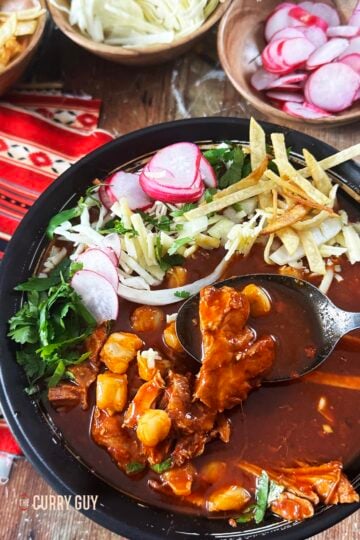
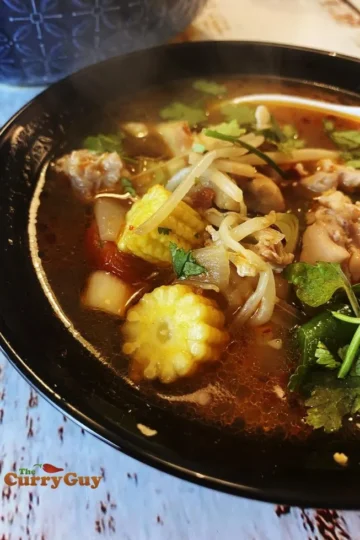

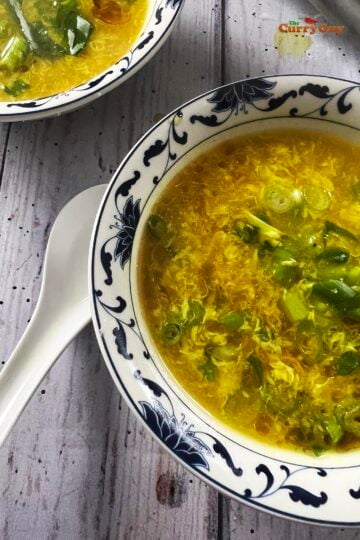
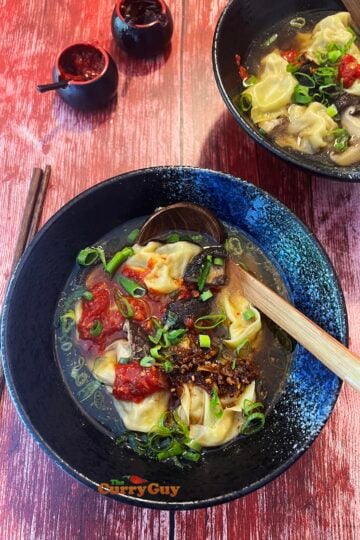

Pairing
Rice always goes well with Mulligatawny soup. Here are a few recipes to try:


Have you tried this Mulligatawny recipe?
If yes, please give it a star rating in the recipe card below and leave a comment. I love receiving your feedback and I’m sure other readers of my blog do too. Thank you.
If you are not already doing so, please follow The Curry Guy on Instagram and Facebook for all our latest recipes.
Mulligatawny Soup

Straight from the pages of 'The Curry Guy Easy'. You are going to love this EASY Mulligatawny Soup!
Ingredients
- 25g (2 tbsp) butter
- 3 bay leaves
- 5cm (2in) cinnamon stick
- 6 cloves
- 1 large red onion, finely diced 1 stick celery, diced
- 1 carrot, diced
- 50g (4 tbsp) tinned tomatoes, roughly chopped
- 1/2 leek, diced
- 1 tbsp plain (all-purpose) flour
- 1 litre salt-free chicken or vegetable stock
- 400ml tin of thick coconut milk Salt
- 4 tbsp boiled basmati rice per
- bowl, to serve (optional) 4 lemon wedges, to serve
- FOR THE SPICE PASTE
- 1 tbsp ground cumin
- 1 tbsp ground coriander
- 1 tbsp freshly ground black
- pepper
- 1 tsp ground turmeric
- 6 garlic cloves, peeled
- 4cm (11/2in) piece of ginger,
- roughly chopped
- Handful each of fresh coriander (cilantro) and mint leaves
Instructions
- Put all the spice paste ingredients into a food processor or blender. Add a splash of water
and blitz to a paste. Leave to one side. - Melt the butter in a large heavy bottomed saucepan. Add the bay leaves, cinnamon and cloves and fry for a minute or so to flavour the butter.
- Add the chopped onion and cook for 5 minutes until soft and translucent.
- Now add the celery, carrot, tomatoes and leek and cook for a further 5 minutes.
- Stir in the spice paste and fry for a few minutes, adding a bit of water if the mixture becomes too dry.
- Stir in the flour followed by the chicken stock. Cover and simmer for 15 minutes until the soup has thickened.
- Pour in the coconut milk and mix through. Season with salt to taste and it’s ready to serve.
- If you prefer a creamier texture as I do, blend the soup and run it through a sieve. This is by no means necessary but I like it that way. Adjust the seasoning and add more chicken stock if the soup is too thick.
- If serving with rice, spoon the rice into four warmed bowls and pour the hot soup over it. Or just divide the soup into bowls and serve with lemon wedges for squeezing.
Recommended Products
As an Amazon Associate and member of other affiliate programs, I earn from qualifying purchases.


Nutrition Information:
Yield:
4Serving Size:
1Amount Per Serving: Calories: 358Total Fat: 25gSaturated Fat: 19gTrans Fat: 0gUnsaturated Fat: 4gCholesterol: 20mgSodium: 107647mgCarbohydrates: 32gFiber: 8gSugar: 8gProtein: 11g


Alex says
I have been making this soup since I was a chef at Claridges Hotel in London back in the 50s and has always been one of my favorites. As a matter of preference, I find that if you puree
the vegetable when they are cooked it will add more body to the finished product and making it more palatable and smooth.
Dan Toombs says
Thanks for that tip, I’ll try it next time.
Dan